
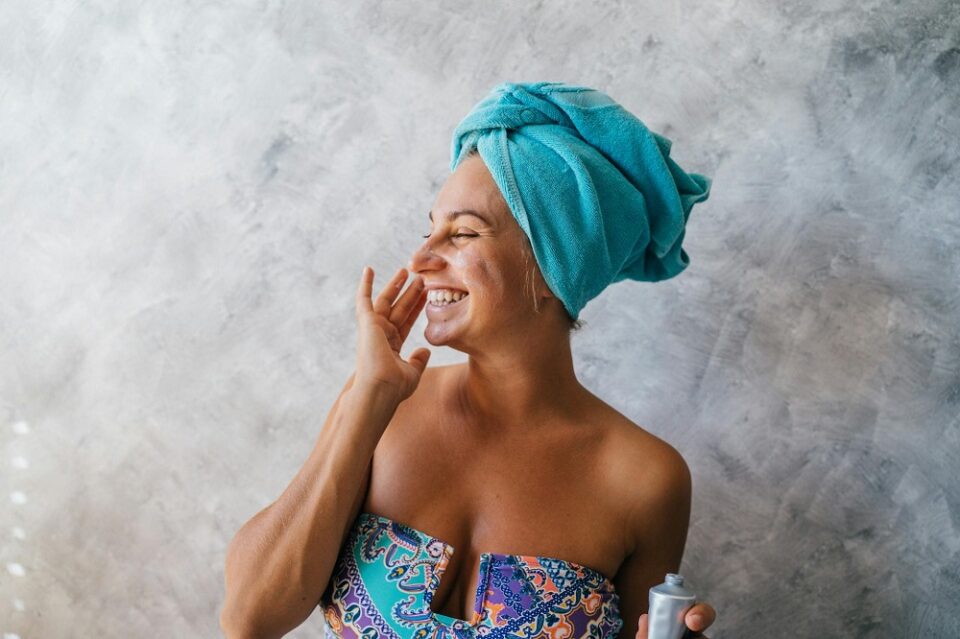
The intersection of beauty and wellness represents a profound shift in how people approach self-care. For decades, the beauty industry focused heavily on superficial alterations, pushing products designed to mask imperfections or chase fleeting trends. Today, the conversation centers on the concept of beauty rituals as an extension of mental and physical well-being. When beauty routines transition into mindful rituals, they cease to be mere tasks on a to-do list and instead become powerful tools for cultivating self-confidence, lowering stress, and fostering a deeper connection to oneself.
Understanding how to construct these rituals requires looking beyond the surface level of skincare or cosmetics. It involves recognizing the physiological and psychological impacts of intentional self-care practices. By integrating mindfulness, tactile stimulation, and consistent habits into a daily routine, individuals can transform standard grooming habits into therapeutic pillars of wellness.
The Psychology of Ritual vs. Routine
To harness the full potential of beauty rituals, it is essential to distinguish between a routine and a ritual. A routine is a sequence of actions followed regularly, often performed automatically or out of necessity. Brushing your teeth or applying moisturizer simply to prevent dry skin are examples of routines. While functional, they rarely provide emotional or psychological nourishment.
A ritual, conversely, is defined by the intention and presence brought to the action. When you transform a routine into a ritual, you shift your focus from the end result to the experience itself.
-
Mindful Presence: Paying deliberate attention to the sensory aspects of the practice, such as the scent of an oil, the temperature of water, or the texture of a cream.
-
Intentionality: Setting a specific purpose for the action, such as releasing the stress of the day or preparing the mind for a high-stakes meeting.
-
Neurological Benefits: Engaging in structured, predictable rituals activates the brain’s reward centers, lowers cortisol levels, and mitigates anxiety by providing a sense of control and stability.
By elevating daily habits into rituals, you create dedicated windows of time where the sole focus is your well-being. This practice serves as a consistent reminder of your inherent value, which forms the bedrock of authentic self-confidence.
Morning Rituals to Ground the Mind and Ignite Confidence
The way you begin your day sets the emotional tone for the hours that follow. Implementing a structured morning beauty ritual allows you to claim the early hours for yourself before external demands take over.
The Power of Tactile Facial Massage
Incorporating a dedicated facial massage into your morning skincare routine does more than stimulate blood flow; it acts as a physical awakening for both the skin and the mind. Using your fingertips, a gua sha tool, or a jade roller, you can practice rhythmic upward strokes across the jawline, cheekbones, and forehead.
This practice encourages lymphatic drainage, reducing the morning puffiness that can sometimes negatively impact initial self-perceptions in the mirror. From a wellness perspective, the physical touch stimulates the release of oxytocin, a hormone associated with comfort and self-soothing, helping you face the day with a grounded, confident demeanor.
Intentional Aromatherapy and Hydration
Scent has a direct pathway to the limbic system, the part of the brain responsible for emotion and memory. Integrating specific botanical scents into your morning routine can instantly alter your cognitive state.
-
Citrus Extracts: Essential oils or serums featuring bergamot, grapefruit, or sweet orange can increase alertness and elevate mood.
-
Peppermint and Rosemary: These scents help improve concentration and mental clarity.
As you apply these products, take three deep, conscious breaths. Pair this sensory engagement with a glass of warm lemon water to hydrate your body from within, creating a holistic bridge between internal health and external vitality.
Evening Rituals for Stress Decompression and Internal Repair
If morning rituals are about activation and confidence, evening rituals focus on surrender, detoxification, and restoration. The skin undergoes its primary cellular repair process during sleep, making the evening the perfect time to invest in deeply nurturing rituals.
The Double-Cleanse as an Emotional Release
The act of washing away the day can be profoundly therapeutic when approached with intent. A double-cleansing method, which uses a lipid-based cleanser followed by a water-based one, ensures the thorough removal of environmental pollutants, makeup, and sunscreen.
Mechanically, this process purifies the skin, preventing congestion and maintaining the integrity of the skin barrier. Psychologically, you can view this ritual as a literal and figurative washing away of the day’s stressors, anxieties, and external expectations. As the water rinses clean, visualize yourself shedding the cognitive load accumulated over the past several hours.
Hydrotherapy and Body Care
Wellness does not stop at the neck. The skin is the body’s largest organ, and treating it with care via hydrotherapy can dramatically improve sleep quality, which is fundamentally linked to emotional resilience and confidence.
-
Thermal Regulation: A warm bath or shower raises the body’s core temperature slightly. The subsequent drop in temperature when you exit the water signals to the brain that it is time to produce melatonin, facilitating deeper sleep.
-
Episodic Self-Massage: Applying a rich body cream or oil immediately after bathing locks in moisture and requires you to connect physically with your body, promoting body acceptance and comfort.
Hair Care as an Act of Patience and Self-Respect
Hair care is often rushed, viewed merely as a chore involving quick washing and aggressive heat styling. Shifting your approach to hair care can turn it into a profound exercise in patience and self-appreciation.
Scalp Stimulation and Tress Enrichment
The health of your hair dictates its appearance, which significantly influences personal confidence. Dedicating time to a weekly scalp treatment involves massaging nourishing oils, such as jojoba, argan, or rosemary oil, directly into the hair follicles.
This practice increases microcirculation to the scalp, ensuring delivering optimal nutrients to the hair roots. The slow, circular motions required for a thorough scalp massage melt away tension held in the cranial muscles, easing tension headaches and providing a deep sense of calm.
Integrative Wellness: The Internal Pillars of External Beauty
No topical product or external ritual can fully compensate for a lack of internal biological support. True confidence and skin health stem from how well you nourish your body’s physiological systems.
Cellular Nutrition and Cellular Hydration
The cells responsible for skin elasticity, hair strength, and overall vitality require specific micro and macronutrients to function optimally. A diet rich in essential fatty acids, such as those found in wild-caught fish, walnuts, and flaxseeds, reinforces the cellular lipid barrier, maintaining skin suppleness and resilience.
Antioxidant-dense foods, including dark leafy greens and berries, combat oxidative stress caused by free radicals, preventing premature cellular aging. Consuming adequate water throughout the day ensures that these nutrients are efficiently transported throughout the body, keeping tissues hydrated and functional.
The Crucial Role of Restorative Sleep
During the deep stages of sleep, the body experiences a surge in growth hormones, which drive tissue repair and cellular regeneration. Chronic sleep deprivation elevates cortisol, a stress hormone that breaks down collagen and triggers inflammatory skin conditions like acne or eczema. Prioritizing seven to nine hours of quality sleep is the single most effective, natural beauty ritual available, providing the neurological foundation for cognitive clarity and unshakeable self-assurance.
Frequently Asked Questions
How long does it take to see the psychological benefits of a new beauty ritual?
The psychological benefits of a beauty ritual, such as reduced anxiety and a heightened sense of calm, can often be felt immediately during the first session due to the intentional focus and sensory engagement. However, the long-term impacts on self-confidence and self-worth typically become deeply ingrained after three to four weeks of consistent, daily practice, as the brain begins to associate these moments with safety and self-validation.
Can individuals with highly sensitive skin safely engage in tactile beauty rituals like facial massage?
Yes, individuals with sensitive skin can participate in facial massages, but they must adjust their technique and product selection. It is crucial to use a high-slip, non-comedogenic oil or serum formulated for sensitive skin to prevent friction. The pressure applied should be incredibly light, focusing on slow, soothing movements rather than deep tissue manipulation, to avoid triggering redness or inflammation.
How does chronic stress directly alter the physical appearance of the skin and hair?
Chronic stress activates the hypothalamic-pituitary-adrenal axis, resulting in the sustained release of cortisol. Elevated cortisol increases sebum production, which can lead to severe acne breakouts. It also impairs the skin’s barrier function, causing dryness and heightened sensitivity, and accelerates the degradation of collagen and elastin. For hair, prolonged stress can push hair follicles prematurely into the resting phase, leading to increased shedding and thinning over time.
What is the scientific correlation between physical self-care practices and professional confidence?
Physical self-care practices stimulate the parasympathetic nervous system, which lowers the heart rate and reduces the physiological markers of stress. When an individual feels physically grounded and calm, their cognitive performance improves, allowing for better decision-making and clearer communication. Additionally, the deliberate act of self-care reinforces a positive self-schema, making an individual more likely to project competence and authority in professional environments.
Are there specific times of day when the skin is more receptive to topical treatments used in rituals?
The skin operates on a circadian rhythm, making it highly receptive to specific treatments at different times. During the late evening and overnight hours, blood flow to the skin increases, and the skin barrier becomes more permeable. This makes the evening the ideal time for applying potent, restorative ingredients like retinoids, peptides, and heavy moisturizers. Conversely, during the day, the skin is in a protective mode, making the morning ideal for antioxidants like vitamin C and sun protection.
How can someone establish a beauty ritual if they have an extremely limited amount of time each day?
Establishing a ritual does not require an hour-long commitment. It can be achieved in as little as two minutes by simply shifting your mindset during an existing task. For example, instead of hurriedly applying moisturizer while thinking about your schedule, stand still, close your eyes, and focus entirely on the warmth of your hands and the texture of the cream on your skin for sixty seconds. The efficiency of a ritual lies in the depth of your presence, not the duration of the practice.
