
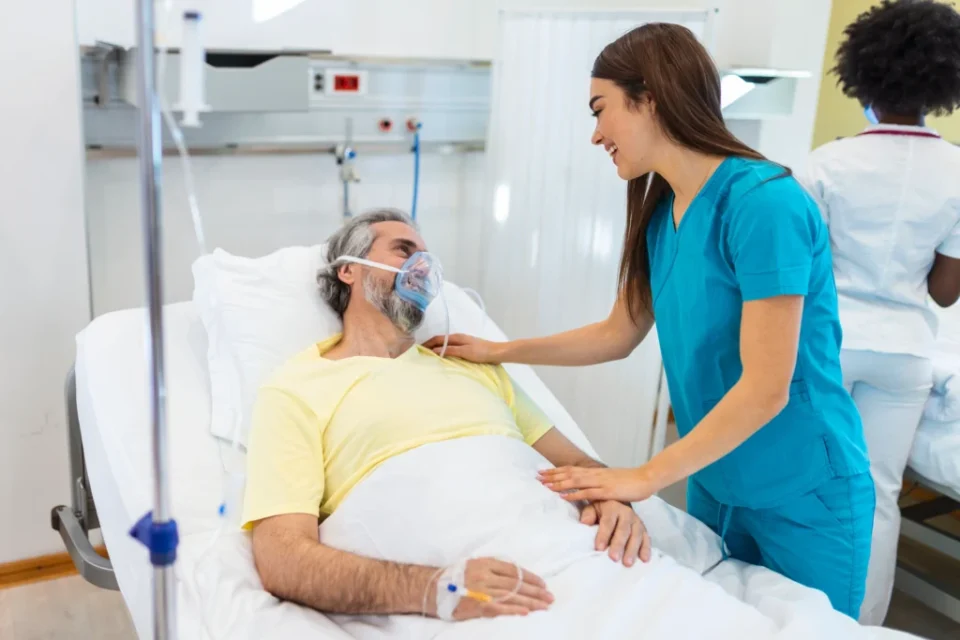
The global healthcare landscape is a vast and sophisticated matrix designed to address the full spectrum of human illness, injury, and structural decline. As medical science has evolved, the approaches to patient care have become highly specialized, moving far beyond the simple model of diagnosing a sickness and prescribing a single remedy. Modern healthcare systems categorize medical interventions into distinct types of treatment based on the clinical objective, the stage of the disease, and the overall goals of the patient.
Navigating this complex system requires a clear comprehension of these treatment classifications. Whether an intervention is designed to completely eradicate a pathogen, manage a lifelong metabolic disorder, prevent the onset of illness, or provide comfort during advanced structural decline, each category plays an indispensable role in patient longevity and well-being. Understanding these distinct approaches allows individuals to make informed medical choices and effectively communicate with multidisciplinary care teams.
Curative Treatment: Eradicating the Underlying Pathology
The primary objective of curative treatment is to completely resolve a medical condition, restoring the patient to their pre-illness state of baseline health. This modality focuses on identifying and eliminating the root biological cause of the disorder rather than merely managing the outward symptoms it produces.
Curative interventions are most successful when applied to acute conditions, early-stage localized diseases, or infections with definitive biological targets. The success of a curative regimen is measured by the total absence of the disease upon the completion of the therapy.
-
Antimicrobial Therapies: The administration of specific antibiotics to eradicate a bacterial infection, such as bacterial pneumonia or strep throat, is a classic example of curative care.
-
Surgical Interventions: Performing an acute appendectomy to remove an inflamed appendix before it ruptures completely cures the patient of appendicitis. Similarly, surgically resecting a localized, early-stage malignant tumor before it metastasizes can achieve a complete oncological cure.
-
Targeted Pharmacology: Using definitive antiviral medication combinations to permanently clear specific viral strains, such as hepatitis C, from the human body.
While curative treatment remains the ideal goal of medicine, it requires an accurate, timely diagnosis and a disease process that is physically capable of being reversed or extracted without causing fatal damage to the host organism.
Chronic Disease Management: Maintaining Long-Term Physiological Balance
When a disease process cannot be completely eradicated from the body, the medical objective shifts from curative care to chronic disease management. Chronic conditions are broadly defined as illnesses that persist for one year or longer, requiring ongoing medical attention, behavioral modifications, or continuous pharmacological support.
The fundamental goal of this treatment type is to stabilize the biological markers of the disease, minimize the frequency and severity of acute flare-ups, prevent secondary complications, and preserve the patient’s daily functional capacity.
In metabolic disorders like type two diabetes, management involves the daily utilization of exogenous insulin or oral hypoglycemic agents, regular blood glucose monitoring, and precise nutritional planning. This continuous intervention prevents the long-term cellular and vascular destruction associated with uncontrolled hyperglycemia, keeping complications like neuropathy, retinopathy, and chronic kidney disease at bay.
Similarly, managing severe cardiovascular conditions such as hypertension or heart failure relies on a combination of beta-blockers, ACE inhibitors, and structured lifestyle adjustments to keep the heart functioning within safe hemodynamic parameters, drastically reducing the baseline risk of an acute cardiovascular crisis.
Preventative Treatment: Shielding the Body Against Future Illness
Preventative treatment, often referred to as prophylactic care, represents the absolute cornerstone of public health and modern longevity medicine. This proactive approach focuses on identifying risk factors, reinforcing the immune system, and implementing lifestyle interventions to stop diseases from developing in the first place.
Preventative medicine is systematically divided into three distinct operational tiers within healthcare systems.
-
Primary Prevention: Interventions designed to prevent the initial onset of disease in healthy individuals. The widespread administration of immunizations against viral and bacterial pathogens like measles, tetanus, and influenza is the most notable example of primary prevention.
-
Secondary Prevention: Detecting a disease process in its earliest, asymptomatic stages to halt its progression before it causes noticeable damage. Routine screening protocols, such as mammograms for breast cancer detection, colonoscopies for colorectal polyps, and baseline lipid panels to check for early signs of cardiovascular disease, fall into this category.
-
Tertiary Prevention: Managing an already established, advanced disease to slow down its degenerative course and prevent further structural disability. Physical rehabilitation following a major ischemic stroke to regain lost motor function is a prime example of tertiary prevention.
By shifting the financial and clinical focus of healthcare toward preventative treatments, systems can reduce the heavy biological and economic burdens associated with advanced, late-stage medical interventions.
Palliative and End-of-Life Care: Prioritizing Comfort and Quality of Life
When a patient faces a serious, life-limiting, or advanced terminal illness where curative options are either exhausted or carry an unacceptable risk of harm, the medical focus shifts entirely to palliative care. Unlike curative modalities, palliative treatment does not seek to prolong life at all costs or alter the natural course of the underlying disease. Instead, it prioritizes the optimization of comfort, the mitigation of physical pain, and the support of emotional and psychological well-being.
Palliative care can be integrated at any stage of a serious illness, frequently running parallel to active treatments like chemotherapy. It addresses a wide range of distressing physical symptoms, including severe chronic pain, nausea, intractable dyspnea, fatigue, and insomnia. A specialized multidisciplinary team uses advanced pain management techniques and symptom-specific pharmacology to ensure the patient maintains the highest possible quality of life.
When a terminal condition enters its final stages, and life expectancy is measured in months or weeks, palliative care transitions into hospice care. Hospice focus shifts completely to ensuring a dignified, pain-free end-of-life process, providing intensive support not only to the patient but also to their immediate family members as they navigate the complexities of grief and separation.
Rehabilitative and Restorative Therapy: Rebuilding Functional Independence
Following a major surgical procedure, a severe traumatic physical injury, or an acute neurological event, a patient often experiences a significant loss of physical or cognitive function. Rehabilitative treatment is the dedicated phase of healthcare focused exclusively on helping the patient regain their lost abilities, adapt to permanent structural changes, and reclaim their physical independence.
Rehabilitative medicine relies heavily on a collaborative team of specialized therapists. Physical therapists focus on restoring gross motor skills, muscle strength, joint mobility, and baseline balance through targeted exercise regimens. Occupational therapists work closely with patients to help them relearn the intricate fine motor skills required to perform essential activities of daily living, such as dressing, bathing, cooking, and writing.
Speech-language pathologists address complex deficits in communication, cognitive processing, and safe swallowing mechanisms following brain trauma or stroke events. By focusing entirely on functional restoration, rehabilitative care bridges the critical gap between acute medical stabilization and a successful, independent return to domestic and professional life.
Frequently Asked Questions
What is the specific difference between palliative care and hospice care within healthcare systems?
Palliative care is designed for any patient facing a serious, complex illness, regardless of their life expectancy, and it can be administered alongside active curative therapies like chemotherapy or radiation. Hospice care, however, is a specific subset of palliative care reserved exclusively for patients with a terminal prognosis where medical doctors estimate a life expectancy of six months or less, and all active curative treatments have been discontinued.
How does empirical treatment differ from a definitive treatment plan?
Empirical treatment is initiated by a physician based on a highly educated clinical assumption before absolute diagnostic confirmation is available. For example, a doctor may prescribe a broad-spectrum antibiotic immediately for a severe suspected infection while waiting for laboratory culture results. Definitive treatment is implemented only after the exact cause of the illness is positively identified through diagnostic testing, allowing for a highly targeted medical intervention.
Why do preventative treatments often receive less financial reimbursement than acute curative treatments?
Historically, insurance and healthcare reimbursement models were structured around a fee-for-service system, which compensates providers for performing specific physical interventions, surgeries, and acute hospitalizations. Because the financial benefit of preventative care is realized years down the road through avoided illnesses, traditional systems have struggled to quantify its immediate value, though modern systems are steadily shifting toward value-based care models that incentivize prevention.
Can a treatment plan transition from curative to chronic management over time?
Yes, this transition occurs frequently in clinical practice. For instance, if a patient is diagnosed with an aggressive, localized cancer, the initial plan is typically curative, involving surgery and radiation. However, if the disease spreads to distant organs and becomes resistant to treatment, it can no longer be eradicated. At that point, the medical team shifts the objective to chronic management, using ongoing systemic therapies to keep the cancer stable for as long as possible.
What role do allied health professionals play in the delivery of rehabilitative treatments?
Allied health professionals, including physical therapists, occupational therapists, and speech pathologists, are the primary drivers of rehabilitative care. While a medical physician or surgeon stabilizes the acute physical crisis and manages medications, the allied health team designs and executes the intensive, day-to-day functional training required to rebuild muscle neural pathways, adapt to structural changes, and safely return the patient to independent living.
How does secondary prevention directly lower long-term healthcare operational costs?
Secondary prevention focuses on detecting serious health conditions in their early, pre-symptomatic stages through regular screenings. Treating a disease like colorectal cancer when it is just a tiny, localized polyp is significantly less invasive, highly successful, and mathematically inexpensive compared to treating advanced, metastatic stage four colorectal cancer, which requires multiple surgeries, long hospital stays, and costly systemic medications.
