
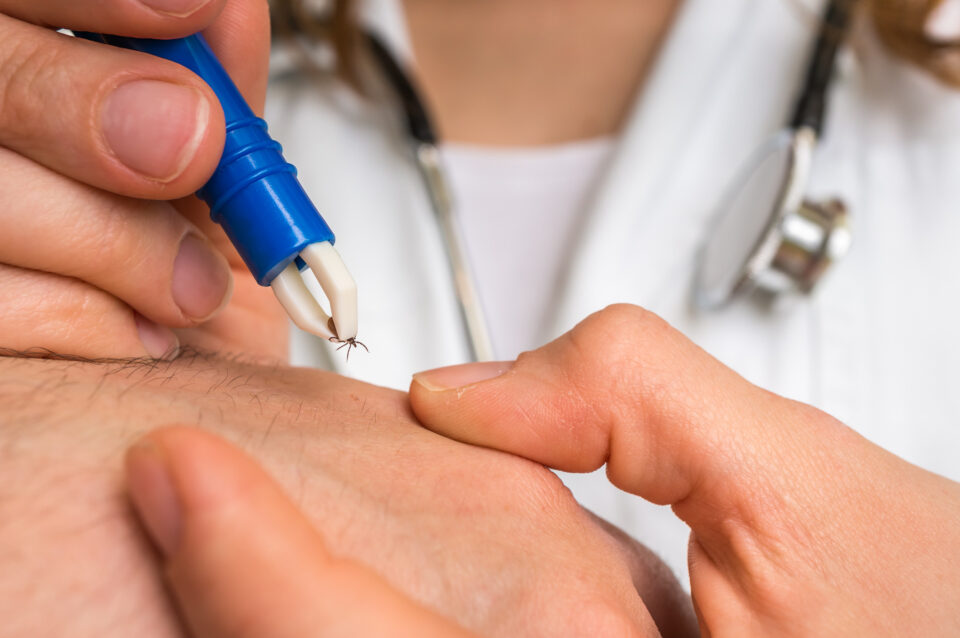
Lyme disease has become one of the most misunderstood and underdiagnosed infectious conditions in modern medicine. While conventional care often focuses on short-term antibiotic treatment, many patients experience lingering symptoms long after initial therapy ends. These chronic or recurring cases require a deeper, more integrative approach that addresses infection, inflammation, immune dysregulation, and cellular repair. At appleton lyme disease treatment, practitioners combine evidence-based functional medicine with targeted therapies to help patients recover fully and prevent long-term complications.
Understanding Lyme Disease: More Than a Tick Bite
Lyme disease is caused by Borrelia burgdorferi, a spiral-shaped bacterium transmitted primarily through tick bites. However, the infection process is far more complex than a simple bacterial invasion. Borrelia can penetrate tissues, evade the immune system, and persist in protective biofilms, making it difficult to eliminate completely.
Furthermore, many patients with chronic Lyme symptoms were either misdiagnosed initially or treated too late, allowing the infection to spread to joints, the nervous system, and other organs. Symptoms can include severe fatigue, cognitive impairment, joint pain, neuropathy, and mood disturbances—often mimicking other disorders such as fibromyalgia or chronic fatigue syndrome.
Why Chronic Lyme Disease Requires a Different Approach
Acute Lyme disease can often be resolved with antibiotics if detected early. However, persistent Lyme disease, also known as Post-Treatment Lyme Disease Syndrome (PTLDS), may not respond to conventional care alone. The bacteria’s ability to hide in tissues, suppress immunity, and trigger inflammation requires a more systemic, multifaceted treatment plan.
Functional and integrative medicine approaches the illness from a whole-body perspective, identifying not only microbial infection but also the immune, hormonal, and mitochondrial dysfunctions that allow symptoms to persist. This comprehensive care model helps patients in Appleton achieve long-term recovery rather than temporary relief.
The Functional Medicine Framework for Lyme Disease
Functional medicine views Lyme disease not just as an infection but as a condition that disrupts the body’s delicate biological systems. The approach integrates diagnostics, detoxification, nutrition, and immune modulation to restore internal balance and enhance resilience.
1. Comprehensive Diagnostic Evaluation
Accurate diagnosis is the cornerstone of effective Lyme treatment. Conventional tests often miss chronic infections because the bacteria change form or hide within tissues. Functional diagnostics employ advanced methods that detect antibodies, immune response patterns, and inflammatory markers that standard tests might overlook.
Key assessments include:
-
Western blot and ELISA testing for immune response indicators.
-
PCR-based molecular tests for direct bacterial DNA detection.
-
Co-infection panels for organisms like Babesia, Bartonella, and Ehrlichia that commonly accompany Lyme.
-
Inflammatory and oxidative stress markers to measure systemic immune activity.
-
Gut and mitochondrial function tests to assess secondary dysfunction caused by infection.
This data-driven approach ensures no underlying factor is missed in the diagnostic process.
2. Targeted Antimicrobial and Immune Support
Lyme bacteria are highly adaptive and can survive in multiple environments within the body. Successful treatment often requires both antimicrobial support and immune modulation. While antibiotics remain an important tool, many integrative protocols combine them with natural antimicrobials, herbal protocols, and immune-enhancing therapies that support the body’s defense mechanisms.
Herbal compounds such as Japanese knotweed, cat’s claw, and andrographis have been studied for their antimicrobial and anti-inflammatory properties. These, along with immune-balancing nutrients like zinc, vitamin D, and glutathione, form part of an individualized therapeutic plan.
3. Addressing Biofilms and Bacterial Persistence
One of the main challenges in treating chronic Lyme disease is biofilm formation—protective layers created by bacteria that shield them from the immune system and antibiotics. Breaking down these biofilms requires specific enzymes, antioxidants, and therapies designed to penetrate bacterial defenses.
By incorporating biofilm-disrupting protocols, practitioners help ensure that antimicrobial agents can reach and eradicate persistent bacteria, reducing relapse risk and long-term inflammation.
4. Detoxification and Inflammation Management
The inflammatory response to Lyme infection often causes more damage than the bacteria themselves. As pathogens die off, they release toxins that can overwhelm the liver, kidneys, and lymphatic system. Detoxification strategies are essential to remove these byproducts safely.
Functional detox support includes:
-
Liver support using nutrients like milk thistle and N-acetylcysteine.
-
Lymphatic drainage therapies to enhance waste elimination.
-
Hydration and mineral balancing to restore electrolyte function.
-
Infrared sauna or lymphatic enhancement therapy to improve circulation and detox pathways.
This approach reduces herxheimer reactions (temporary symptom flares during treatment) and enhances patient comfort throughout recovery.
5. Mitochondrial Repair and Cellular Energy Restoration
Mitochondrial dysfunction is a hallmark of chronic Lyme disease. When cellular energy production declines, fatigue, brain fog, and muscle weakness follow. Functional medicine focuses on restoring mitochondrial health through nutrient repletion, antioxidant therapy, and metabolic support.
Key nutrients like CoQ10, acetyl-L-carnitine, alpha-lipoic acid, and magnesium play critical roles in ATP generation and oxidative balance. These interventions help patients regain vitality and improve physical endurance as recovery progresses.
6. Gut Health and Immune Regulation
The gut houses nearly 70% of the immune system, making it a critical area of focus in Lyme disease management. Chronic infections and antibiotic use can disrupt gut flora, leading to inflammation and nutrient malabsorption.
Restoring microbiome balance through probiotics, prebiotics, and an anti-inflammatory diet enhances immune response and supports detoxification. By healing the gut, practitioners help regulate systemic inflammation and hormone balance—two key elements in long-term recovery.
7. Hormonal and Neurological Balance
Chronic infection can disrupt endocrine and neurological function, leading to symptoms like insomnia, anxiety, or cognitive decline. Balancing hormones such as cortisol, thyroid, and sex hormones is vital to restoring stability. Additionally, therapies aimed at reducing neuroinflammation and supporting neurotransmitter function, such as omega-3 supplementation and adaptogenic herbs, can improve focus and mental clarity.
8. Individualized Nutritional Therapy
Diet plays a fundamental role in Lyme recovery. Patients are often guided toward an anti-inflammatory diet rich in whole foods, lean proteins, healthy fats, and antioxidants. Removing sugar, gluten, and processed foods helps reduce inflammation and improves metabolic function.
Nutritional strategies also include targeted supplementation for deficiencies revealed through testing—such as iron, B vitamins, and trace minerals—to support immune resilience and repair.
The Importance of Personalized Care
No two cases of Lyme disease are identical. The infection manifests differently depending on genetics, immune status, co-infections, and environmental exposures. Serenity Health Care Center’s personalized approach ensures that every treatment plan aligns with each patient’s unique biological profile.
This level of customization not only enhances outcomes but also empowers patients to play an active role in their recovery. Education, transparency, and collaboration are key elements of this care model.
Long-Term Recovery and Maintenance
Lyme disease recovery is not a quick process. Even after infection control, the immune system, mitochondria, and detox pathways require ongoing support to prevent relapse. Maintenance programs may include regular monitoring, immune-strengthening supplements, and lifestyle practices that promote resilience—such as restorative sleep, balanced exercise, and stress reduction.
By viewing healing as an evolving process rather than a one-time event, patients can sustain improvements and enjoy lasting wellness.
Real-World Results and Clinical Success
Patients who undergo functional Lyme treatment in Appleton often report progressive improvements in fatigue, joint pain, mental clarity, and overall vitality. For many, this transformation comes after years of searching for answers. Through an integrative, evidence-based framework, Serenity’s practitioners help restore not just health but quality of life.
FAQs
Q1: How is functional Lyme disease treatment different from conventional care?
Functional medicine goes beyond antibiotic therapy to address root causes like inflammation, detoxification, and mitochondrial dysfunction. It integrates natural and medical therapies for comprehensive recovery.
Q2: Can chronic Lyme disease be completely cured?
Many patients experience full remission, though long-term management may be required for some. With proper treatment, immune support, and detoxification, symptoms can be significantly reduced or eliminated.
Q3: How long does treatment typically take?
Recovery timelines vary based on infection duration and co-infections. Most patients see improvements within a few months, though complete restoration may take a year or longer.
Q4: Is it necessary to treat co-infections alongside Lyme?
Yes. Co-infections like Babesia or Bartonella can complicate recovery. Addressing them simultaneously ensures more effective and lasting results.
Q5: Can lifestyle changes support Lyme recovery?
Absolutely. Stress reduction, nutrient-dense diets, hydration, and proper sleep are vital for immune regulation and cellular repair throughout treatment.
Functional and integrative care for Lyme disease in Appleton offers a new path forward for patients seeking lasting recovery. By combining scientific precision with natural healing strategies, this approach restores balance at every level of the body—empowering patients to regain energy, resilience, and health with renewed confidence.
