
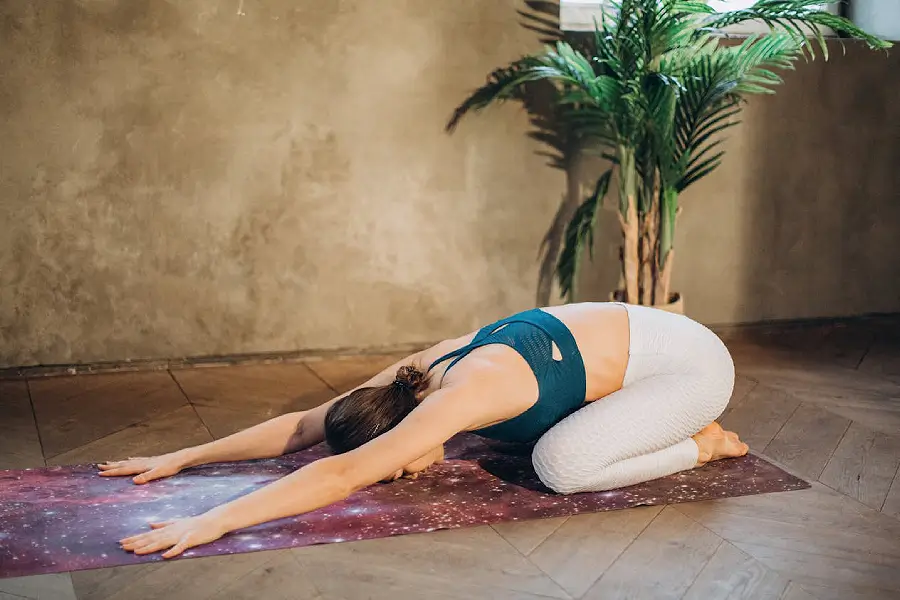
In a society characterized by constant connectivity, demanding work environments, and escalating daily responsibilities, chronic stress has become a widespread baseline condition for millions of people. While modern conveniences have streamlined external tasks, they have simultaneously increased the internal cognitive load. The human body is equipped to handle short, acute bursts of stress, but it is fundamentally unsuited for the continuous, low-grade psychological tension that defines contemporary life. When stress becomes a permanent fixture, it wreaks havoc on physiological systems, dulls emotional responsiveness, and erodes baseline happiness.
As individuals seek sustainable ways to reclaim their mental equilibrium, yoga has emerged as a premier, science-backed modality for natural stress reduction and emotional optimization. Far from being a contemporary fitness trend, yoga is a highly sophisticated, integrative system that bridges the gap between physical anatomy and psychological health. By combining deliberate physical postures, regulated breathing techniques, and focused mindfulness, yoga intercepts the body’s stress response at a cellular level, offering a natural pathway back to emotional wellness.
The Physiology of Stress and the Vagal Response
To appreciate how yoga alleviates psychological suffering, it is necessary to examine the underlying autonomic nervous system. When the mind perceives a stressor, the sympathetic nervous system fires instantly, initiating the classic fight-or-flight response. This survival mechanism floods the bloodstream with cortisol and adrenaline, accelerates the heart rate, elevates blood pressure, and diverts metabolic energy away from non-essential functions like digestion and immune defense.
Chronic stress keeps this sympathetic switch turned on indefinitely. Yoga counteracts this state by directly stimulating the parasympathetic nervous system, often referred to as the rest-and-digest system. The primary highway of this calming network is the vagus nerve, a long cranial nerve that originates in the brainstem and interfaces with the heart, lungs, and digestive organs.
-
Vagal Tone Enhancement: Slow, deliberate movements coupled with conscious breath control physically stimulate the vagus nerve. High vagal tone acts as a biological brake on the heart, lowering the heart rate and reducing blood pressure.
-
Cortisol Regulation: Regular practice drops the baseline concentration of circulating stress hormones, preventing the systemic inflammation and cellular damage associated with chronic cortisol exposure.
-
GABA Production: Neuroimaging studies indicate that yoga practice increases brain levels of gamma-aminobutyric acid, an inhibitory neurotransmitter that dampens overexcited neural pathways, reducing feelings of acute anxiety.
Asana: Releasing Somatic Tension and Restoring Body Awareness
Psychological stress does not exist exclusively as abstract thought; it stores itself physically within the musculoskeletal system. When the mind is anxious, the brain sends continuous micro-signals to the muscles, keeping them in a state of defensive contraction. Over time, this leads to chronic tension patterns, most notably in the shoulders, neck, jaw, and hip flexors.
The physical postures of yoga, known as asanas, serve as a profound form of somatic therapy. Rather than focusing on aggressive muscle strain, asanas emphasize mindful lengthening, structural alignment, and isometric engagement. As a practitioner holds a posture and breathes into areas of tightness, the sensory receptors within the muscles send signals back to the brain indicating that the body is safe. This feedback loop allows the nervous system to relax the hyper-contracted muscle fibers.
Furthermore, asana practice develops proprioception, the sense of self-movement and body position, and interoception, the ability to perceive internal bodily sensations like the heartbeat or breathing rhythm. Cultivating these senses forces the mind out of the cyclical, anxious thoughts of the past or future and grounds it firmly in the reality of the present physical moment.
Pranayama: Regulating the Breath to Stabilize the Mind
The relationship between respiratory patterns and emotional states is completely bidirectional. When a person is frightened, stressed, or angry, their breathing automatically becomes shallow, rapid, and concentrated in the upper chest. This fragmented breathing pattern acts as a continuous warning signal to the brain, reinforcing the perception of danger and keeping the sympathetic nervous system highly active.
Pranayama, the formal practice of breath regulation in yoga, provides a manual override for this stress loop. By intentionally shifting the architecture of the breath, a practitioner can rewrite the emotional signals being sent to the brain.
-
Diaphragmatic Breathing: Drawing the air deep into the lower lobes of the lungs forces the diaphragm to expand downward. This expansion maximizes oxygen exchange and mechanically triggers the relaxation response.
-
Extended Exhalations: Techniques that prioritize a long, controlled exhalation relative to the inhalation immediately activate the parasympathetic nervous system, soothing the heart muscle within seconds.
-
Alternate Nostril Breathing: Known traditionally as Nadi Shodhana, this slow, alternating breathing pattern harmonizes the left and right hemispheres of the brain, inducing a profound sense of mental clarity and emotional equilibrium.
By mastering the breath, individuals gain an immediate, highly accessible tool that can be deployed in the middle of a high-stress environment to instantly regain emotional control.
Mindfulness and the Cultivation of Emotional Resilience
At its highest level, yoga is an active, moving meditation. The real transformation occurs not in the flexibility of the limbs, but in the conditioning of the mind. During a yoga session, practitioners are continuously encouraged to adopt the stance of a detached observer, witnessing physical sensations, passing thoughts, and surging emotions without judgment or reaction.
This regular mental conditioning alters how the brain handles stress in everyday life. In a state of chronic stress, the amygdala, the brain’s emotional alarm system, tends to overreact to minor inconveniences, triggering immediate outbursts of anger, panic, or despair. Yoga strengthens the prefrontal cortex, the area of the brain responsible for executive functioning, logical reasoning, and impulse control.
By expanding the gap between a stressful stimulus and a person’s physical reaction, yoga teaches emotional resilience. Instead of being swept away by a wave of frustration or anxiety, an individual learns to notice the emotion, acknowledge its physical presence in the body, and allow it to dissolve naturally without escalating into a full psychological crisis.
Frequently Asked Questions
Can someone who is naturally stiff and inflexible still receive the full emotional benefits of yoga?
Yes, flexibility is a physical consequence of regular practice, not a prerequisite for emotional wellness. The stress-reducing benefits of yoga are triggered by mindful presence, vagus nerve stimulation, and breath regulation, all of which are entirely independent of how deeply you can bend or stretch. A beginner who struggles to touch their toes but remains completely focused on their breath will receive the exact same neurological benefits as an advanced practitioner.
How many times per week should a person practice yoga to see a permanent shift in emotional wellness?
While a single sixty-minute session can provide an immediate sense of calm and stress relief, a permanent shift in baseline emotional resilience typically requires a consistent, long-term commitment. Aiming for three sessions per week for a duration of four to six weeks is generally the threshold where noticeable, lasting structural and chemical changes begin to occur within the central nervous system.
Why do some individuals experience intense emotional releases, like crying, during specific yoga poses?
During deep, passive stretching poses, particularly those targeting the hips and pelvis, the body releases long-held somatic tension. The nervous system stores unresolved trauma and chronic emotional stress within these large muscle groups. When these areas are finally allowed to open up and relax through sustained poses, the suppressed emotional energy is released into the conscious mind, occasionally manifesting as spontaneous tears or a sudden sense of deep relief.
Is it better to practice yoga in the morning or the evening for optimal stress management?
Both timing structures offer distinct benefits, and the choice depends on your personal schedule and daily stressors. Morning practice sets a positive, resilient emotional tone for the day, helping to lower morning cortisol spikes and sharpen cognitive focus. Evening practice, particularly when utilizing gentle or restorative styles, acts as an excellent decompression tool to wash away the accumulated stress of the workday and prepare the body for deep, restorative sleep.
How does hot yoga compare to traditional, room-temperature yoga regarding mental health benefits?
Hot yoga can provide a unique sense of physical detox and deep muscle relaxation due to the elevated temperature. However, for individuals who are already managing high levels of generalized anxiety or panic disorders, the intense heat and elevated heart rate can sometimes mimic the physiological sensations of a panic attack, potentially increasing stress. For primary stress reduction, standard or cooler environments are often more reliably calming.
Can children and teenagers safely utilize yoga to manage academic and social stress?
Absolutely. Yoga is an exceptional, non-invasive tool for younger demographics who face rising levels of academic pressure and digital overstimulation. Specialized youth programs focus on building body awareness, emotional self-regulation, and healthy self-esteem through playful movement and simple breathing games. This early training provides children with crucial coping mechanisms that serve them well into adulthood.
