
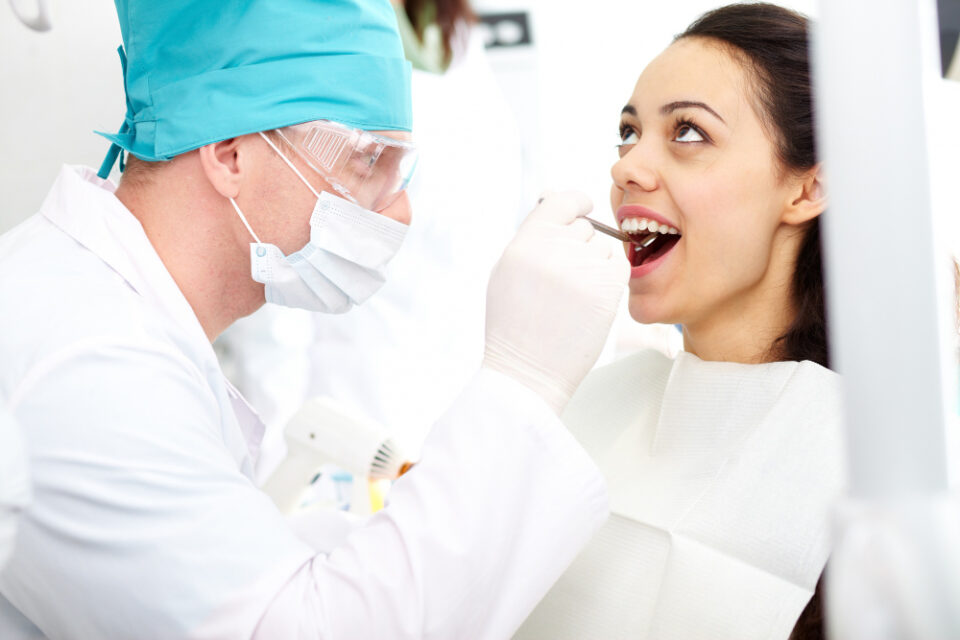
For decades, a visit to the dental clinic was consistently associated with a specific set of experiences: the high-pitched hum of a mechanical drill, the uncomfortable mouthful of thick impression putty, and the lingering anxiety of baseline physical discomfort. While these traditional methodologies served their purpose for generations, the modern dental landscape has fundamentally shifted. Everyday oral treatments are undergoing a profound technological transformation, driven by precision engineering, computerized manufacturing, and intelligent software networks.
Advanced dental tools are no longer reserved exclusively for complex oral surgeries or high-end cosmetic transformations. Instead, they have become embedded within routine checkups, standard cavity restorations, and regular root canal therapies. By moving away from subjective, manual processes and embracing objective, high-tech modalities, modern dentistry has managed to dramatically increase diagnostic accuracy, minimize patient chair time, and virtually eliminate the physical discomfort historically tied to oral healthcare.
Artificial Intelligence in Diagnostic Imaging
The foundational phase of any dental treatment is an accurate diagnosis. Historically, dentists relied entirely on a physical visual examination and two-dimensional radiographs to locate anomalies. While effective, small areas of demineralization, early-stage bone loss, or microscopic cracks could easily elude the human eye during the initial stages of development. Today, artificial intelligence software acts as a highly sophisticated digital assistant, screening scans with remarkable microscopic precision.
AI diagnostic platforms operate by cross-referencing a patient’s digital X-rays, three-dimensional scans, and intraoral photographs against vast databases containing millions of verified clinical cases. The software automatically colors, segments, and tags specific structural anomalies, drawing immediate attention to emerging dental caries or marginal bone degradation around existing dental implants.
-
Early Intervention Support: By identifying demineralization before a visible cavity forms, AI allows clinicians to implement non-invasive remineralization therapies rather than drilling.
-
Enhanced Visual Transparency: The software translates complex radiographic grayscale images into clear, color-coded visual maps that patients can easily interpret on a chairside screen, drastically improving trust and understanding.
-
Objectivity in Care: Having a computerized second opinion reduces diagnostic variability between different practitioners, ensuring that treatment recommendations are purely data-driven.
The Shift to Digital Impressions and Intraoral Scanners
If there is one universal complaint among dental patients, it is the traditional goopy impression tray used to capture the shape of teeth for crowns, bridges, and orthodontic aligners. The process of biting down into a cold, messy chemical compound often triggers a powerful gag reflex and requires a lengthy setting time inside the oral cavity. Furthermore, any slight movement from the patient can warp the material, forcing a complete restart.
The widespread integration of handheld intraoral scanners has rendered this uncomfortable process obsolete. These compact, pen-sized devices utilize advanced light-based technology to take thousands of high-definition photographs per second inside the mouth. As the clinician glides the wand over the dental arches, the software seamlessly stitches these images together in real time to generate a highly precise, three-dimensional digital model of the hard and soft tissues.
This digital file can be instantly transmitted to an in-office manufacturing unit or an external dental laboratory via secure cloud systems. Because there is no physical material to shrink, tear, or distort, the fit of the resulting crowns or clear aligners is exceptionally precise. This high accuracy minimizes the need for tedious manual adjustments during the final fitting appointment, saving valuable time for both the patient and the provider.
Chairside CAD/CAM and Same-Day Restorations
In the past, receiving a permanent dental crown was a prolonged multi-week ordeal. A patient had to undergo the initial tooth preparation, endure a temporary crown that was prone to dislodging, wait weeks for an off-site laboratory to manufacture the restoration, and return for a second appointment to have it permanently cemented.
Computer-Aided Design and Computer-Aided Manufacturing systems have condensed this entire sequence into a single clinical visit. Once an intraoral scanner captures the digital blueprint of the prepared tooth, the dentist uses specialized design software to map out the exact dimensions of the custom crown right at the chairside. The final blueprint is then sent to an in-house milling machine or a specialized high-speed three-dimensional printer located within the office.
-
Rapid Production Times: The automated milling unit carves the crown out of a solid block of high-strength ceramic or translucent multilayer zirconia in less than an hour.
-
Elimination of Temporaries: Patients leave the initial appointment with their permanent, fully functional restoration securely in place, bypassing the discomfort and vulnerability of wearing a fragile temporary crown.
-
Optimized Aesthetics: Because the dentist manages the process from start to finish, the shade and contours of the ceramic can be instantly adjusted to perfectly match the surrounding natural teeth.
Lasers Replacing the Traditional Dental Drill
Dental anxiety is deeply linked to the vibration and piercing sound of the traditional air-driven mechanical handpiece. Beyond the psychological stress, physical drilling often requires deep local anesthesia, leaving patients with a numb face and slurred speech for hours post-appointment.
Modern hard-tissue and soft-tissue lasers have revolutionized how dentists approach decay removal and gum modifications. These instruments deliver a highly concentrated beam of light energy that interacts precisely with the water molecules inside the target tissue. When treating a cavity, the laser vaporizes the decayed structure with extreme accuracy while leaving the healthy surrounding enamel entirely untouched.
Because the laser does not generate micro-vibrations or intense friction heat, the microscopic nerve endings inside the tooth are rarely stimulated. This lack of stimulation allows dentists to perform minor cavity preparations and gum reshaping procedures completely anesthesia-free in a large percentage of patients. Additionally, the inherent sterilization properties of the laser beam kill localized bacteria instantly upon contact, which lowers the risk of secondary infections and accelerates post-operative healing times.
Electronic Endodontic Advancements
Root canal therapy has historically carried a reputation for being an arduous, uncertain procedure. The primary challenge involves navigating the dark, complex, and microscopic root canal anatomy to thoroughly remove infected nerve tissue. Traditionally, dentists relied heavily on tactile sensation and intermittent two-dimensional X-rays to guess the exact length of a root canal.
Modern endodontics has achieved unprecedented predictability through the introduction of electronic apex locators and advanced rotary instrumentation. Electronic apex locators utilize precise electrical resistance measurements to determine the exact end-point of the root tip with sub-millimeter accuracy.
When paired with highly flexible nickel-titanium rotary files that follow the natural, organic curvature of the root without breaking, the process of cleaning and shaping the canal becomes significantly faster and safer. This technological synergy ensures that the tooth is neither under-filled, which invites lingering bacterial growth, nor over-filled, which can cause severe post-treatment pressure pain.
Frequently Asked Questions
Do dental procedures performed with advanced laser technology cost significantly more out of pocket?
While the advanced equipment represents a substantial financial investment for the dental practice, the operational efficiency it provides often offsets the production costs. Many clinics charge standard restorative fees for laser fillings without adding a steep premium, though policy variations exist. It is best to review the itemized treatment plan with your provider to see how advanced technology options interact with standard insurance coverage codes.
How does three-dimensional imaging lower the radiation dose compared to older medical CT scans?
Cone Beam Computed Tomography systems use a cone-shaped X-ray beam that captures the entire maxillofacial volume in a single, fast rotation around the patient’s head. Traditional medical CT scanners must capture data in multiple stacked slices, which takes longer and requires prolonged radiation exposure. As a result, a dental CBCT scan provides a highly detailed three-dimensional view of the jawbone while exposing the patient to a tiny fraction of the radiation seen in conventional medical imaging.
Are same-day crowns milled chairside as durable as crowns manufactured in a traditional dental laboratory?
Yes, the materials utilized in modern chairside milling units, such as advanced lithium disilicate ceramics and high-translucency multilayer zirconia, possess identical physical properties to the blocks used in large-scale commercial dental laboratories. When designed and bonded correctly using standardized clinical protocols, same-day crowns offer excellent structural longevity and fracture resistance that matches traditional laboratory restorations.
Can artificial intelligence software accidentally misdiagnose a dental issue or override a dentist’s opinion?
Artificial intelligence operates strictly as a diagnostic support tool, not an independent decision-maker. The software highlights potential areas of concern based on visual pixels and data patterns, serving as a highly observant second set of eyes. The final clinical validation, contextual interpretation, and treatment authorization rest entirely with the human dentist, who can easily dismiss any false-positive flags raised by the program.
Why do some dental practices still utilize traditional impression materials if digital scanners are superior?
While digital scanners offer immense benefits in terms of comfort and speed, certain clinical scenarios still benefit from traditional methods. For example, capturing completely edentulous arches for full dentures can sometimes be challenging for optical scanners due to the shifting nature of loose mucosal tissues. Additionally, some practitioners prefer to phase out older equipment gradually as their existing workflows and staff training adapt to fully digital laboratory models.
How do smart toothbrushes bridge the gap between daily at-home care and professional treatments?
Smart toothbrushes utilize internal gyroscopes, pressure sensors, and Bluetooth connectivity to map the user’s brushing coverage in real time via a smartphone application. By tracking brushing duration, frequency, and excessive structural pressure, the software helps patients correct poor habits before they cause irreversible enamel abrasion or gum recession. This data-driven home care directly prevents the onset of advanced periodontal disease, making routine professional cleanings far easier and less invasive.
