
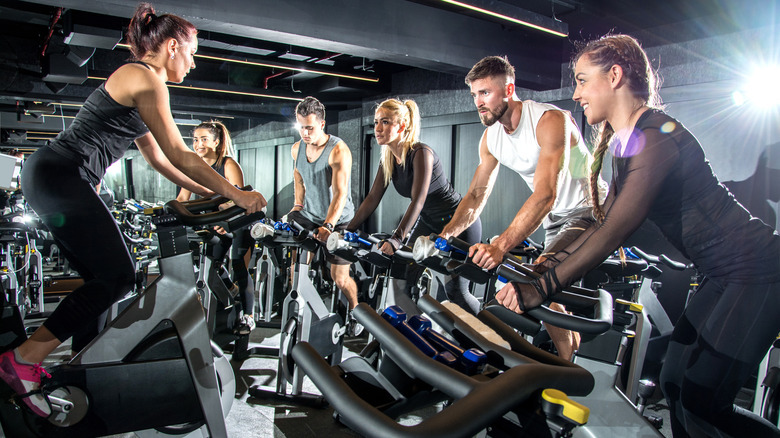
Cardio training is one of the most important parts of a balanced fitness routine, but many people struggle to stay consistent with it. Running may feel repetitive, outdoor cycling may not suit Singapore’s weather, and solo cardio machines can become boring. This is why structured indoor cycling formats have become popular among people who want energy, guidance and measurable effort in one session.
Joining spinning classes can be an effective way to improve cardiovascular fitness, stamina and mental focus. These classes combine music, coaching, resistance control and group energy to create a workout that feels structured and motivating. Instead of simply pedalling on a stationary bike alone, participants follow a guided session designed to challenge the heart, lungs and legs in a controlled way.
Spinning builds cardiovascular endurance
A spinning class keeps the body moving through different levels of effort. Riders may cycle through warm ups, climbs, sprints, steady pacing and recovery sections. This variety challenges the cardiovascular system and helps the body improve endurance over time.
Cardio endurance matters for daily life. Better stamina can make climbing stairs, walking longer distances and managing busy days feel easier. For people who often feel tired after work or struggle with low energy, regular cardio training can support better physical capacity.
The advantage of spinning is that the class structure helps riders stay engaged. Instead of watching the clock, participants follow the instructor, music and rhythm of the session.
Low impact movement supports joint comfort
Spinning is lower impact than many cardio workouts because the feet stay connected to the pedals and the bike supports body weight. This can be helpful for people who want a strong cardio challenge without repeated jumping or running impact.
Low impact does not mean easy. Resistance and speed can make the workout highly demanding. However, because the movement is controlled, many people find it more joint-friendly than high-impact cardio.
Proper bike setup is still essential. Seat height, handlebar position and posture can affect comfort. Riders should take time to adjust their bike before class begins.
Resistance creates muscular challenge
Spinning is not only about speed. Resistance adds strength-endurance work, especially for the legs and glutes. During climbing sections, riders push against heavier resistance, which can build lower-body stamina.
This makes spinning useful for people who want cardio with a strength element. It does not replace dedicated strength training, but it can complement it well.
A balanced weekly routine may include spinning for cardio, strength training for muscle development and mobility work for recovery.
Music and coaching improve focus
One of the biggest benefits of spinning classes is the focused environment. Music sets the rhythm, while the instructor guides effort, resistance and pacing. This helps riders stay mentally present.
For many adults, spinning becomes a mental reset. During class, attention shifts away from work, screens and daily stress. The focus becomes breathing, rhythm and effort.
This mental focus can be just as valuable as the physical workout. A class can leave participants feeling clearer, calmer and more energised.
Adjustable intensity makes classes accessible
Spinning classes can be adapted to different fitness levels. Riders can control resistance and pace based on their current ability. A beginner may choose moderate effort, while an experienced rider may push harder during climbs or sprints.
This flexibility allows people to participate without feeling forced to match others. The instructor provides direction, but each rider controls their own bike.
A fitness environment such as True Fitness Singapore can support this kind of structured group training by offering a motivating setting where participants can build confidence over time.
Spinning supports consistency
Consistency is easier when exercise feels engaging. Many people stop cardio because they get bored. Spinning solves this by combining movement with music, coaching and group energy.
A scheduled class also creates accountability. When someone plans to attend a specific session, it becomes part of the week. Over time, regular attendance can build a strong fitness habit.
This consistency is what creates long-term results. One intense ride is useful, but repeated participation builds real stamina.
Recovery still matters
Spinning can be intense, especially during high-resistance climbs or fast intervals. Riders should allow recovery between demanding sessions. Hydration, nutrition, sleep and stretching all support better performance.
If the legs feel heavy or energy is low, a lighter class, strength session or recovery day may be better than forcing another hard ride.
Smart recovery helps riders stay consistent without burnout.
FAQ
I am new to spinning and worry I cannot keep up. Should I still try?
Yes. You can control your own resistance and pace. Start with manageable effort, follow the instructor as best as you can and build confidence over several classes.
Is spinning suitable if I do not enjoy running?
Yes. Spinning can be a strong cardio alternative for people who dislike running. It offers cardiovascular challenge without the same outdoor conditions or impact.
My legs feel sore after class. Is that normal?
Some soreness can be normal, especially if you are new or used higher resistance. If soreness is extreme or lasts too long, reduce intensity and allow more recovery.
Should spinning be my only workout?
It can be a useful cardio base, but a balanced routine should also include strength training, mobility and rest. This supports overall fitness and reduces overuse.
Conclusion
Spinning classes are effective because they combine cardio endurance, low impact movement, resistance training, music and coaching. They help participants improve stamina while staying mentally engaged.
For people in Singapore, spinning can be a practical way to make cardio more consistent and enjoyable. With proper pacing, recovery and routine balance, it can become a strong part of long-term fitness.
