
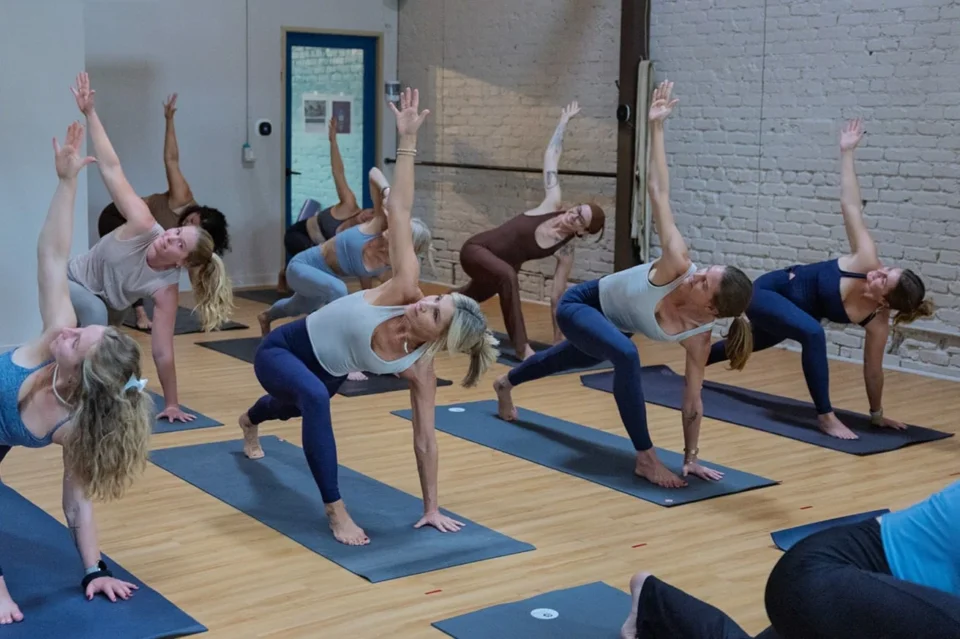
When people search for yoga classes near me, they are often looking for more than a nearby timetable. The search usually reflects a larger need for wellness that fits into real life. People want movement that can work around office hours, family duties, travel, tired evenings, unpredictable stress and changing energy levels. They are not simply looking for a class. They are looking for a routine that feels possible. Flexible wellness has become important because modern lifestyles do not follow perfect schedules. A person may plan to exercise after work, then get pulled into a late meeting. Another may want to practise on weekends, then lose energy after errands and social plans. The value of nearby yoga classes is that they reduce barriers. They make it easier to show up, even when the week is imperfect.
Why flexibility matters in modern health routines
A rigid wellness plan can look impressive on paper, but it often fails in practice. People may decide to attend classes five times a week, wake up early daily or follow a strict routine. Then life happens. Work becomes heavier, sleep suffers, children need attention or social commitments increase. Flexible wellness is not about making excuses. It is about designing a routine that survives normal life. Yoga works well for this because different class types can support different needs. A person can choose a stronger session when energy is high, a gentler class when the body feels tired or a mobility-focused practice after long sitting. This adaptability helps students stay connected to the routine instead of abandoning it completely.
The hidden intention behind local searches
The phrase “near me” is practical, but it also reveals urgency. People often search this way when they are ready to act. They may feel stiff, stressed, restless or tired of delaying self-care. They want an option that feels accessible now. A nearby class reduces the gap between intention and action. If the studio is easy to reach, the student is more likely to attend. This is important because motivation can fade quickly when the logistics feel difficult. For many adults, the first step towards consistency is not finding the most intense programme. It is finding a class that can fit into ordinary days.
Wellness that works with changing energy
Energy changes throughout the week. Monday may feel focused, Wednesday may feel heavy, Friday may feel drained and Sunday may call for a reset. A flexible yoga routine respects this. It does not force the same type of effort every time. This is useful for people who have previously failed at fitness routines because they felt too demanding. Yoga can still be challenging, but it also offers room for adjustment. The practice can meet the student where they are, while still encouraging progress.
What flexible yoga access can support
Flexible class access can help people manage:
- Work-related stress
- Stiffness from long sitting hours
- Low energy after poor sleep
- The need for movement before or after travel
- Weekend recovery after social plans
- A desire for consistency without pressure
These needs are common in busy urban environments, which is why local access matters.
The role of class variety
A nearby studio becomes more valuable when it offers thoughtful class variety. If every class feels the same, students may struggle to match practice to their needs. Variety allows the routine to remain useful across different phases of life. Some students may need classes that build strength and heat. Others may need slower sessions that support breath and recovery. Many need both at different times. A flexible wellness routine does not treat the body as fixed. It recognises that needs change.
Why convenience reduces guilt
Many people feel guilty when they miss a workout or fail to keep a routine. This guilt often creates more avoidance. A nearby yoga class can reduce that pattern because returning feels easier. Missing one session does not mean the routine is over. When a class is accessible, students can simply return when possible. This softer relationship with consistency is healthier than all-or-nothing thinking. It helps people build long-term habits instead of short bursts of effort.
Teacher guidance makes flexibility safer
Flexible practice does not mean random practice. Good teacher guidance helps students choose suitable variations, manage intensity and understand what the body needs. This is important because people may arrive in very different states from week to week. A teacher can remind students to reduce effort when tired, focus on alignment when stiff or breathe steadily when stressed. This keeps the practice supportive rather than careless.
The mental value of having a nearby reset point
A local yoga class can become a personal reset point. It gives people a place to step away from emails, errands and mental noise. Even if the rest of the day feels crowded, class time creates a clear boundary. This is one reason flexible wellness is not only physical. It also supports emotional balance. Knowing that there is a nearby place to move and breathe can make self-care feel less complicated.
A refined setting for flexible practice
A studio environment such as Yoga Edition can help students build flexible routines with structure and care. The value is not only in having classes available. It is in having a calm and guided space where different wellness needs can be supported without the practice feeling scattered. When the environment feels reliable, students are more likely to return through busy weeks, not only during motivated seasons.
A better way to think about consistency
The search for nearby yoga classes reveals that people want wellness to be easier to maintain. They want proximity, but they also want trust, choice and practical scheduling. Flexible wellness answers these needs by allowing the practice to adapt without disappearing. For modern adults, the best routine is not the one that looks perfect. It is the one that can be repeated, adjusted and returned to. Nearby yoga classes make that possible by bringing movement, breath and recovery closer to everyday life.
