
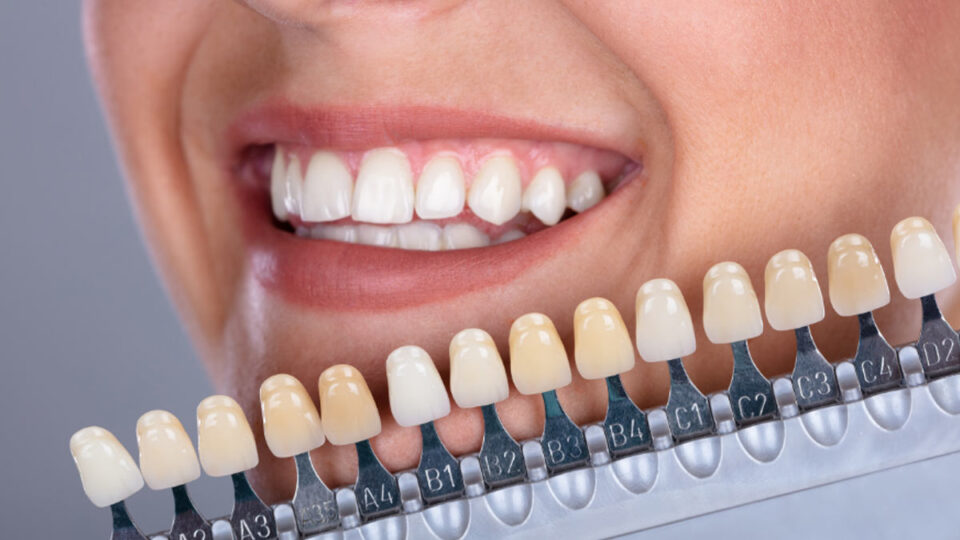
Cosmetic dental decisions are rarely separate from oral health. Gums, enamel, decay risk, sensitivity, bite forces and old restorations all affect which option is suitable and which step should come first. The visible concern may be aesthetic, but the order of care often depends on health.
This does not mean every patient needs a long route before anything cosmetic happens. It means the sequence should be justified by findings. When health is stable, aesthetic planning can move directly. When health needs attention, the plan should explain what must settle before the visible decision is finalised.
Oral health often decides whether aesthetic care starts, pauses or changes direction. The dentist has to review gums, decay risk, enamel, old restorations, bite pressure and cleaning access before choosing the order. Dr. Sahil Patel of MaryleboneSmileClinic explains that patients get clearer advice when each cosmetic step is tied to a health finding. He says the sequence should show what is ready, what needs stabilising and what will be reviewed before the final result is agreed.
That framing helps patients understand why one plan begins with hygiene care, another begins with shade planning and another needs monitoring before a larger commitment.
Start With Gums Before Appearance
Gum health changes how cosmetic work is designed. The appointment becomes practical when the dentist is checking bleeding, inflammation, recession, pocketing and cleaning access, because the advice then begins with evidence rather than a treatment label.
Unsettled tissues affect scans, margins, shade perception and long-term comfort. When the patient hears how start with gums before appearance fits that connection, the recommendation feels grounded in the mouth rather than selected from a menu of options.
From the patient’s side, the most useful contribution is describing bleeding during brushing, soreness or areas that are hard to clean. It turns a technical point into something practical.
In practical terms, this points toward gum stabilisation or hygiene support before final cosmetic stages where needed. The important part is knowing whether it protects comfort, stability, appearance or maintenance.
The safest version of the plan respects one limit: visible treatment should not be rushed around tissues that are still changing. The patient can then judge the recommendation with more confidence.
The dentist should be able to return to the finding behind start with gums before appearance at review, especially if timing, materials or the patient’s priorities change.
The dentist can then explain alternatives without making one option sound universally superior. The choice depends on how each route responds to unsettled tissues affect scans, margins, shade perception and long-term comfort.
The point about start with gums before appearance should not disappear once that stage of care is complete. Future reviews can return to gum stabilisation or hygiene support before final cosmetic stages where needed and ask whether the original reason still holds.
That practical understanding of start with gums before appearance is especially important outside the surgery, when the patient is eating, speaking, cleaning, travelling or deciding whether something feels different.
Treat Decay Risk as a Planning Signal
Decay risk influences timing and material choice. A good plan treats this as a planning clue and begins with reviewing active decay, diet, dry mouth, old fillings and areas where plaque collects before any final stage is treated as settled.
The value of the check is that cosmetic work needs a healthy foundation and a realistic prevention plan. It gives the dentist a way to explain why one option fits better than another.
The patient adds useful context by sharing snacking habits, sensitivity and any recent repairs. Those ordinary details around treat decay risk as a planning signal often reveal pressures that are not obvious from a scan, photograph or mirror.
A sensible plan turns the finding into a prevention and repair plan before elective design is finalised. The patient should be able to repeat why that stage belongs where it does.
The caution is that appearance should not distract from disease control when the foundation needs care. That restraint keeps the ambition around cosmetic work needs a healthy foundation and a realistic prevention plan realistic and easier to maintain.
This gives the plan around treat decay risk as a planning signal a calmer shape. It can move forward, pause or change direction without losing the thread of the original reasoning.
A comparison should therefore include the practical burden of each route. The patient needs to know how sharing snacking habits, sensitivity and any recent repairs affects the option once treatment is finished.
The decision becomes more resilient when it is documented. If the timetable shifts, the patient still understands why appearance should not distract from disease control when the foundation needs care.
The section ends best when the patient has a next action, a review expectation and a realistic sense of how sharing snacking habits, sensitivity and any recent repairs supports the result.
Let Sensitivity Shape the Pace
Sensitivity is useful information, not a side note. This decision needs enough time for checking triggers, enamel wear, exposed roots, cracks and recent whitening or dental work, so the next step is linked to a reason the patient can follow.
That detail deserves attention because comfort affects suitability for whitening, bonding, veneers and other visible changes. It can decide whether the plan moves directly, pauses, changes sequence or stays deliberately conservative.
The patient should be encouraged to bring everyday details, especially by explaining what causes the sensation and how long it lasts. That makes the advice easier to remember later.
The useful output from this discussion is a comfort-led review before treatment intensity or timing is chosen. It gives both patient and dentist a shared checkpoint.
The boundary is that the patient should not feel pushed through elective care while symptoms remain unclear. Stating that limit around let sensitivity shape the pace keeps consent grounded and prevents the visible result from being separated from health.
That clarity around let sensitivity shape the pace matters later, because small changes in comfort, cleaning or appearance are easier to report when the patient already knows what the plan is watching.
The same reasoning prevents the decision from being reduced to cost or speed. A comfort-led review before treatment intensity or timing is chosen should be judged alongside comfort, cleaning and review.
That makes the patient less dependent on memory when let sensitivity shape the pace is reviewed later. A clear explanation of comfort affects suitability for whitening, bonding, veneers and other visible changes gives the next visit a thread to pick up.
This keeps the plan around let sensitivity shape the pace useful after consent. The patient leaves with a specific reason for the stage, not only a general promise of improvement.
Review Old Dentistry Before New Design
Existing dental work affects the next cosmetic choice. A careful discussion starts by checking crowns, fillings, bonding, veneers, margins and shade mismatch, then connects that finding with comfort, appearance and long-term upkeep.
This matters because old restorations may limit whitening response, influence shape or need repair first. For review old dentistry before new design, it helps separate what is ready from what needs more preparation, monitoring or a more modest route.
The appointment becomes more accurate when the patient is comfortable pointing out which areas already look different or feel rough. That information links the plan to normal routines.
The plan should therefore include a restoration review before new colour or shape decisions are made. When the reason is clear, the stage feels protective rather than slow.
This is where over-treatment is avoided. The plan should remember that new design should not ignore the condition of work already in the smile, even when the patient is keen to move quickly.
Handled well, review old dentistry before new design leaves the patient with practical language: what to clean, what to watch, what to report and why the next step matters.
It also gives the patient a fair comparison point. If another route is discussed later, the question becomes whether it deals with checking crowns, fillings, bonding, veneers, margins and shade mismatch more clearly or simply sounds more attractive at first.
Continuity around review old dentistry before new design matters because the mouth changes through habits, ageing, repairs and review findings. The notes around checking crowns, fillings, bonding, veneers, margins and shade mismatch give later appointments a useful baseline.
Good advice should still make sense during an ordinary week. It should tell the patient how a restoration review before new colour or shape decisions are made connects with the routines they actually follow.
Check Bite Before Final Shape
The bite can change what looks sensible. For a London patient balancing real life with dental care, the first useful move is reviewing edge wear, clenching, contact points, jaw tension and broken restorations.
Clinically, shape and material choices need to survive normal function. For check bite before final shape, that detail can affect the order of care, the amount of preparation, the material chosen or the way review is arranged.
Mentioning chipped teeth, headaches or a bite that feels uneven gives the dentist a more realistic view of how the plan will be lived with after the appointment.
That makes a bite assessment before length, contour or material decisions more than an appointment label. It becomes the link between examination, consent and the final decision.
The patient should not be left with vague reassurance. If a cosmetic result should not be planned only for a still photograph, the plan needs to explain how that risk is being managed.
With check bite before final shape, the patient is better prepared for consent because the choice is connected to evidence rather than to a treatment name alone.
This makes the advice less generic. It links the recommendation to the patient’s own mouth, including the evidence found through reviewing edge wear, clenching, contact points, jaw tension and broken restorations.
Review of check bite before final shape should feel connected to the original aim, not like a separate appointment. The finding around reviewing edge wear, clenching, contact points, jaw tension and broken restorations keeps that connection visible.
In daily life, the value of check bite before final shape is simple: the patient knows which detail to protect, which change to notice and which symptom deserves an earlier call.
Sequence Aesthetics Around Stability
The final order should make the reasoning clear. The dentist is not only responding to the visible concern; the dentist is deciding which health findings need care first and which aesthetic decisions can move in parallel before the route is narrowed.
The recommendation is stronger when it accounts for the fact that sequencing protects the result while keeping momentum for the patient. That keeps appearance, health and daily use in the same conversation.
The conversation improves when the patient is specific about asking which stages are essential and which are flexible. Small details often change the order more than expected.
The practical next step is a written or clearly explained sequence that links health, appearance and review. For sequence aesthetics around stability, it should be explained in plain language, including what it confirms and what remains open to review.
A clear limit also matters: the patient should not leave with treatment names but no explanation of the order. Naming it early helps avoid a plan that looks efficient but leaves uncertainty behind.
The aim of discussing sequence aesthetics around stability is not to make the route sound complicated. It is to make the decision traceable, so the patient understands why the recommendation exists.
When the patient compares choices, this finding keeps the conversation anchored. It shows why the patient should not leave with treatment names but no explanation of the order matters even when the visible aim feels straightforward.
This is also where photographs, records or a short written summary help with sequence aesthetics around stability. They show why a written or clearly explained sequence that links health, appearance and review was chosen and what the patient should watch before review.
That practical frame around sequence aesthetics around stability also reduces pressure. The patient can weigh the option calmly because the patient should not leave with treatment names but no explanation of the order has been stated before the decision is made.
